When striking coincidences occur, I find it hard not to look for meaning in them: are these things that in some unexplained way were meant to happen; are they intended to lead one to something or to teach one something; are they evidence of some kind of alignment of energies or thoughts; or are they simply random moments of synchronicity?
Whatever the answer, I’m usually intrigued, sometimes amused, and always left feeling that my life is the richer for them. Over the years I’ve posted here about various coincidences in my life, some of which have seemed uncanny. Here is another.
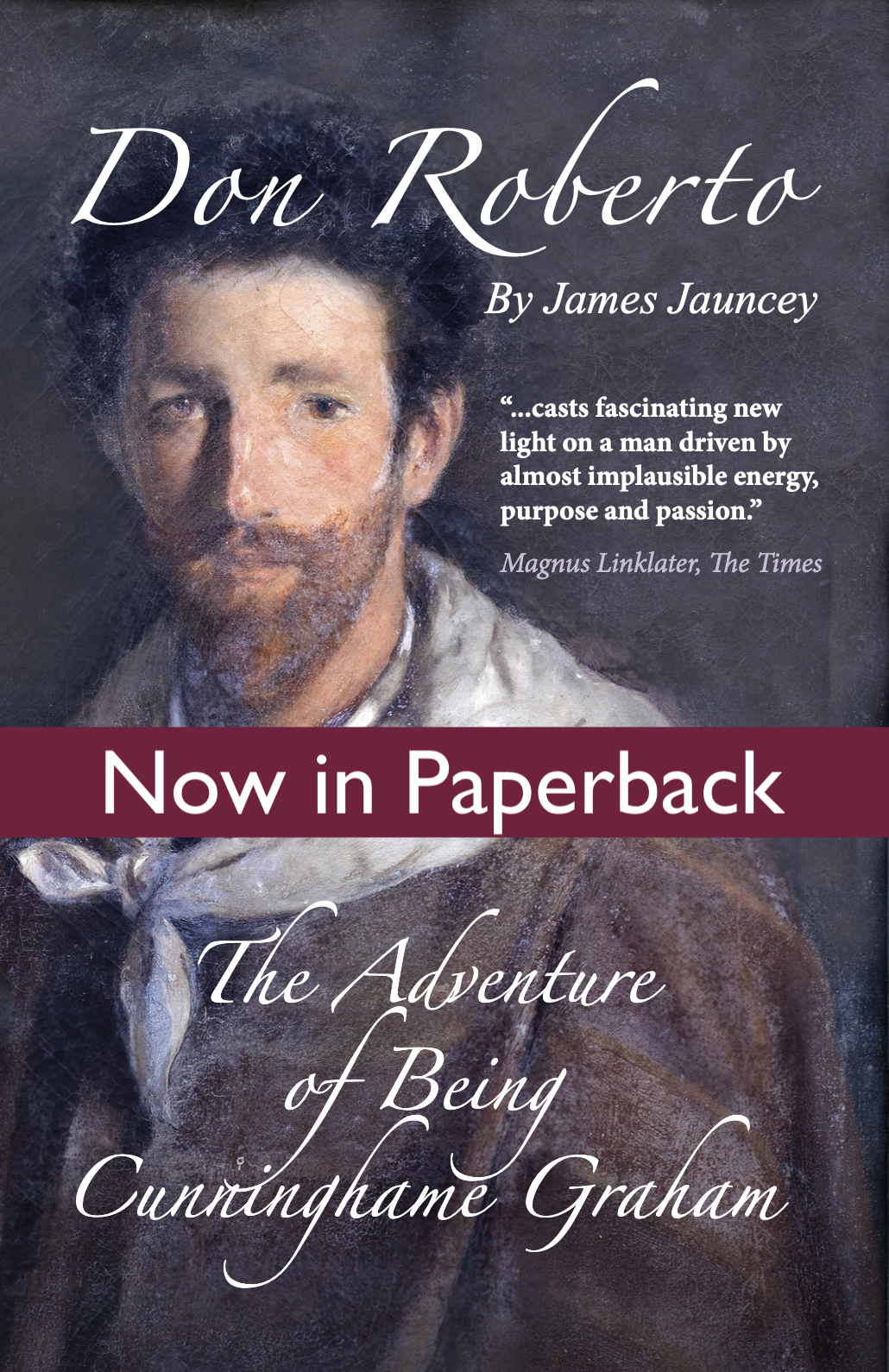
A few weeks ago I took a stand at a small book festival in a village close to where my great-great-uncle had lived. It seemed like a good place to sell a few copies of my recent biography of him.
Towards the end of the day, when things were starting to wind down, I got chatting to one of my neighbours who was selling off her extensive library of management books.
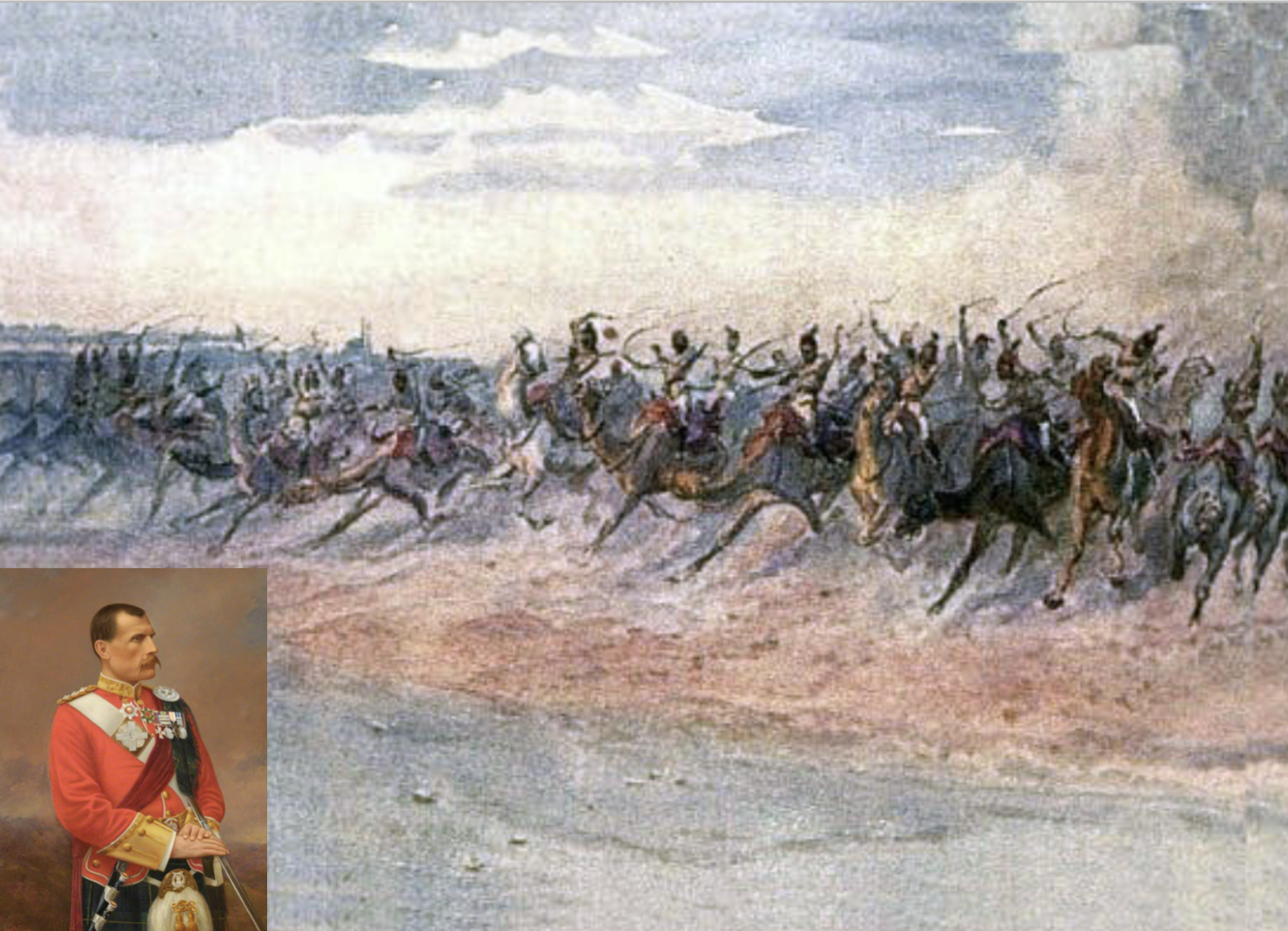
Talk of family research turned to a recent ancestor of hers (and, coincidentally, an exact contemporary of mine), Sir Hector MacDonald, a Scottish general who had fought with distinction in the colonial wars of the late nineteenth century to become celebrated as a national hero.
The name rang a bell, and when she continued with the story, I remembered a beautiful and haunting lament, Hector the Hero, written by the composer James Scott Skinner. I had been introduced to it years ago by my fiddler friend, Pete Clark, and had often accompanied him playing it, though had not heard it now for many years.
The son of a crofter from Ross-shire, Hector MacDonald had enlisted as a private in the Gordon Highlanders aged seventeen, in 1870. Extraordinarily brave, and an outstanding leader, he was promoted eventually to the rank of major-general.
In his era, the late 1800s, this was extremely unusual. He was not of the officer class, but had risen through the ranks until his actions in the Second Afghan War led him to be offered the choice of being recommended for the Victoria Cross, or being commissioned as an officer in his regiment – a rare honour. He chose the latter.
Following his exploits at the Battle of Omdurman in Sudan, in 1898, he became a household name. He was appointed aide-de-camp to Queen Victoria, was knighted and received the thanks of Parliament. In Scotland, where he was fêted by Edinburgh City Council, it was felt that he, not Lord Kitchener, had been the real hero of this deciding battle in the Mahdist War.
But when he was later posted to Ceylon (Sri Lanka), as commander of British forces, rumours began to circulate that he was involved with young boys. In the face of a growing scandal, and en route from London to Ceylon to face a court martial, he shot himself, aged fifty, in a Paris hotel.
It has since been claimed by some that he was framed, the victim of snobbery and jealousy: the commoner elevated above his station, garlanded with honours, a favourite of the queen. Others point to anecdotal evidence of homosexual relationships in Ceylon where, it should be said, such activity was not illegal.
Whatever the case, he remains an heroic, if tragic, figure. In 1903, his funeral in Edinburgh was attended by 30,000 people. Today his name lives on in a thirty-metre-high memorial tower outside his home town of Dingwall, and in the hauntingly beautiful Scott Skinner lament.
Later that afternoon I left the book festival and drove home. In the evening we were due to dine with a neighbour, who had told me in advance that among the other guests would be the Shetland fiddler, Aly Bain, and his partner.
Aly is probably the best known Scottish fiddler in the world. One might say he is to Scottish traditional music what Stéphane Grapelli was to jazz, or Yehudi Menuhin to classical music.
I was looking forward immensely to meeting him and had already confided to Magnus, our host, that I hoped we might get a chance to play together, since I knew Magnus had a good piano.
But just as we were leaving the house Magnus rang to say that Aly, who is now eighty, had come without a fiddle. Did I have one? I did, although it is not a beautiful instrument. In some trepidation I put it in the car.
After dinner I brought it out and hesitantly asked Aly if he would like to play. He graciously said that he would. We sat together on the double piano stool while he tuned up.
Then he turned and said: “So … what shall we play? How about Hector the Hero?”
You can watch Aly Bain and his long-term collaborator, Phil Cunningham, play Hector the Hero – here. And another beautiful recording by the virtuoso Cape Breton fiddler, Natalie MacMaster, and her husband, Donnell Leahy – here.